Off-Season Travel
Change the date and the same place feels completely different.
Plan a Quiet GetawayEvery popular destination has a rhythm. A few weeks a year, it is full; the rest of the time, it has room to breathe. Traveling in the off-season, or the shoulder weeks either side of the peak, is the simplest route to a quiet vacation.
What You Gain, and What You Trade
| You often gain | You may trade |
|---|---|
| Space on beaches, trails and in museums | Shorter opening hours at some attractions |
| Easier restaurant and hotel reservations | Seasonal closures, especially in resort towns |
| Lower rates at many hotels | Less predictable weather |
| More time and attention from local people | Fewer scheduled tours and transport connections |
The trade-offs are manageable with a little research. Check opening dates for the places that matter most to you, and choose a base with things to do whatever the weather.
Shoulder Seasons Worth Knowing
Mountain villages
The weeks between ski season and summer hiking, and again in autumn, can be very quiet. Some lifts and huts close, but valleys and lakes are lovely.
Northern beaches
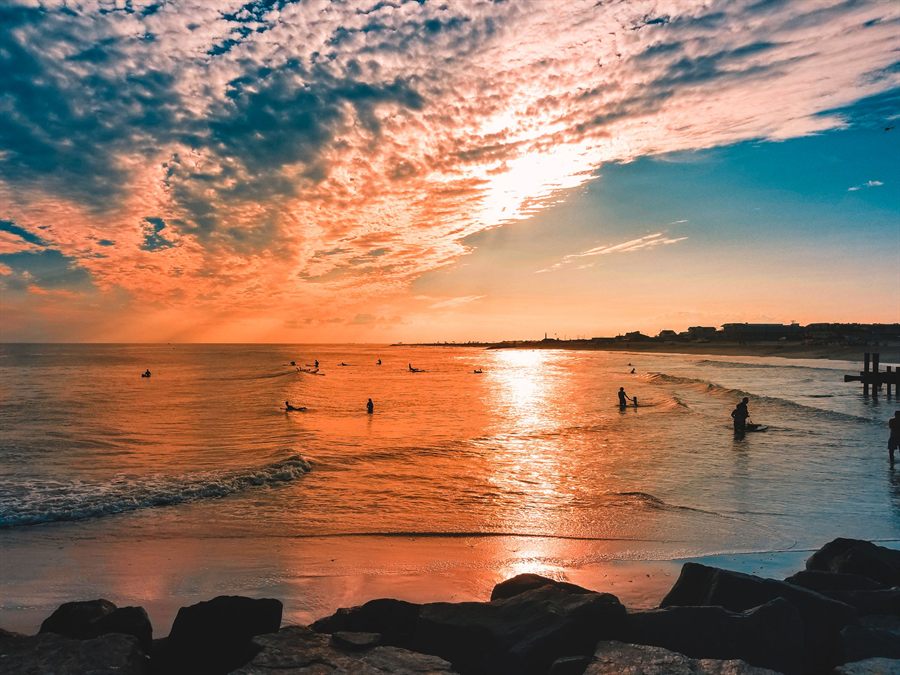
Many beach towns in the northern U.S. and Europe are calm and mild in late spring and early autumn, after the school holidays end.
European cities
Late autumn and late winter, outside the holiday markets and school breaks, often bring shorter lines at the big sights.
Tropical islands
The edges of the rainy season can offer green landscapes, quiet beaches and showers that pass quickly.
Winter Can Be the Quietest of All
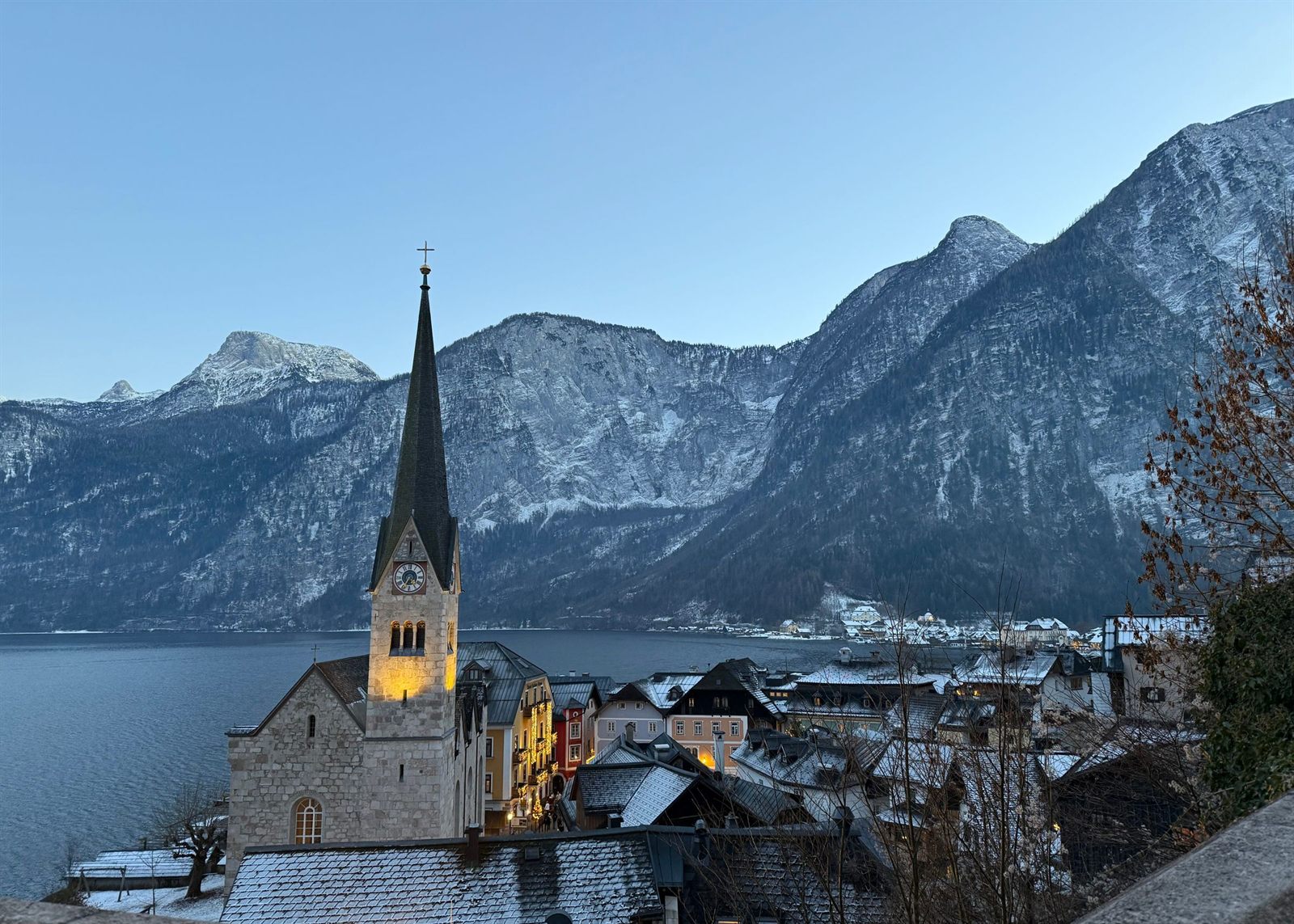
Lakeside villages and old towns that are packed in summer can feel like a different place on a winter morning: mist on the water, smoke from chimneys, a cafe with a free table by the window. Pack warm layers, check that your hotel stays open, and plan indoor options such as thermal baths, museums and long lunches.
In the U.S., small towns in upstate New York’s lake and mountain country are one example of places that change completely by season; Best in Upstate NY lists what is open year-round.
Frequently Asked Questions
What is the difference between shoulder season and low season?
Shoulder season sits just before or after the peak, when weather is usually still good. Low season is the quietest time of year, often because of cooler, hotter or wetter weather.
Is it safe to travel in hurricane or rainy season?
Many people do, and storms are not constant. Watch forecasts, keep plans flexible and consider travel insurance with weather cover. In some regions, the rainy season means short afternoon showers rather than days of rain.
Before You Book an Off-Season Trip
- Check opening dates for the hotels, restaurants and attractions you care about most.
- Look at average rainfall and daylight hours, not just temperatures.
- Confirm that ferries, cable cars and scenic railways are running on your dates.
- Book refundable rates where you can, in case the weather turns.
- Pack layers: off-season weather often changes within a single day.
Find the Best Quiet Weeks for Your Trip
A specialist can tell you when your destination goes quiet without losing its charm, and send free quotes.
Get Free Trip Quotes